
For South African Families Dealing with a Deceased Estate
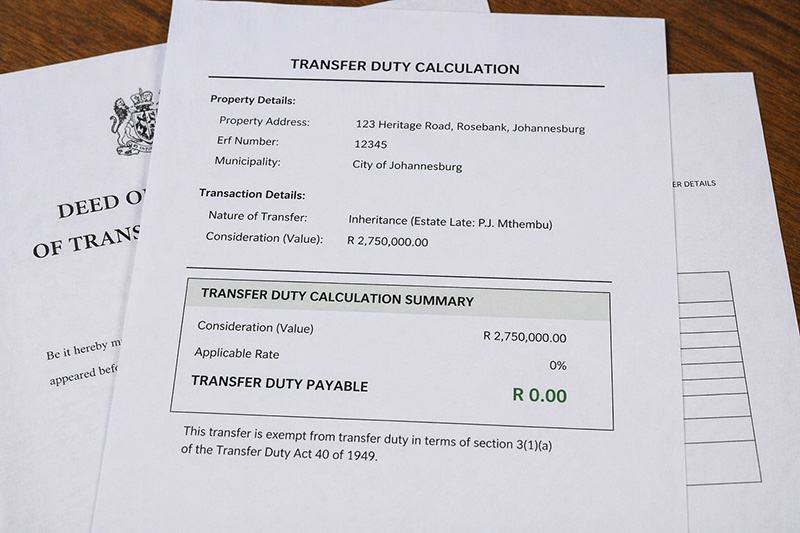
- No transfer duty on inherited property – we confirm and handle the exemption for you
- Clear updates at every stage, so you always know where things stand
- Specialists in deceased estate conveyancing, wills, and estate administration
Talk to a Conveyancer Today. No Charge, No Obligation
Getting the Transfer Done Is Simpler Than You Think
Here’s what happens from your first call to the day the title deed is in the right name.
Step 1
Tell us about the estate and what you need. We’ll explain the full process, confirm what documents are required, and give you a clear picture of timelines and costs before anything else.
Step 2
We prepare the transfer documents, apply for clearance certificates, coordinate with SARS and the municipality, and manage all correspondence with the Master of the High Court on your behalf.
Step 3
Registration at the Deeds Office
Once everything is in order, we lodge the transfer at the Deeds Office. Registration typically takes less than 10 days. We keep you updated throughout.
Step 4
The Title Deed Is Transferred
The property is registered in the beneficiary’s name. You receive confirmation, and we handle the final paperwork so nothing is left loose. The whole process usually takes 6 – 8 weeks.
From the first call to the final deed, we’re with you every step of the way.
Why Families Choose Pillay Inc for Estate Property Transfers




Frequently Asked Questions
When a property owner passes away, ownership of the property cannot simply pass to their heirs, it must go through a formal legal process called a deed transfer. A qualified conveyancing attorney lodges the transfer documents at the Deeds Office, and only once registered does the title deed reflect the new owner’s name. This process is regulated under the Administration of Estates Act.
No. When a property is transferred directly to an heir as part of a deceased estate, it is exempt from transfer duty. We handle the SARS confirmation of this exemption as part of the process, so you won’t be overcharged.
Once all documents are in order, registration at the Deeds Office typically takes 6 to 8 weeks. The full process from estate reporting to final registration can take several months depending on the complexity of the estate and how quickly clearance certificates are obtained. We’ll give you a realistic timeline from the outset.
No. Property can be transferred whether or not the deceased had a will. If there is a valid will, property is distributed according to its terms. If not, the Intestate Succession Act determines who the heirs are. In both cases, we manage the conveyancing process from start to finish.
Yes. The Master of the High Court must appoint an executor before any estate dealings can take place. The executor can be a family member, an attorney, or a professional estate administrator. We can help you understand who should be appointed and assist with obtaining the Letters of Executorship.
Yes. We offer end-to-end deceased estate administration, including the full winding-up of the estate, asset distribution, and dispute resolution if needed. If the property transfer is part of a larger estate matter, we handle it all under one roof. Get in touch and we’ll walk you through what’s involved.
